
Emir Sanusi to Tinubu: Stop Borrowing, Curb Waste
Says reforms will fail without fiscal discipline and transparency
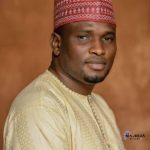
The 16th Emir of Kano and former Governor of the Central Bank of Nigeria (CBN), Muhammadu Sanusi II, has faulted the Federal Government’s continued borrowing despite the removal of fuel subsidy, warning that such fiscal behaviour undermines the gains of ongoing economic reforms.
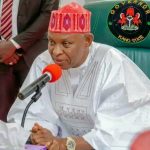
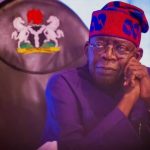
Speaking at the Oxford Global Think Tank Leadership Conference and Book Launch in Abuja yesterday, Sanusi questioned the rationale behind new borrowings after the Bola Tinubu administration had freed up billions of naira through the withdrawal of petrol subsidy.
“If you stop paying subsidies but continue borrowing more, it means you’ve filled one hole only to dig another,” Sanusi said. “The real challenge now is the quality of government spending and the management of the revenues saved.”
Commends Reforms, Warns Against Waste
Sanusi commended the Tinubu administration for removing the fuel subsidy and unifying exchange rates, describing both as “painful but necessary steps.”
He, however, cautioned that the reforms would fail unless backed by fiscal discipline, transparency, and prudent management of public funds.
The former CBN chief questioned the size of the federal cabinet and the extravagant spending patterns of public officials.
“Why do we need 48 ministers? Why do we need convoys of vehicles? Why are we still borrowing even after removing subsidies?” he asked.
“If you fill one hole, why dig another?”
Sanusi lamented that sycophancy had become a major obstacle to effective governance, with leaders often surrounded by praise-singers rather than honest advisers.
“You sit in a meeting, and someone starts with, ‘Mr. President, thank you for your leadership; God has blessed Nigeria with you.’ By the time they finish, that’s the advice the president takes,” he said. “People who tell the truth are branded enemies.”
On Jonathan’s Failed Subsidy Attempt
Reflecting on the 2012 Occupy Nigeria protests, Sanusi revealed that then-President Goodluck Jonathan was forced to backtrack on his plan to remove fuel subsidy due to insecurity.
“The only reason the government compromised then was Boko Haram. If a bomb had gone off among protesters, it would not have been about subsidy anymore,” he said, crediting Jonathan for prioritising lives.
He explained that the subsidy system was a “naked hedge” — the worst form of financial exposure — which eventually bankrupted the nation.
‘Nigeria Was on the Brink of Hyperinflation’
Sanusi also warned that Nigeria was on the verge of hyperinflation during the Muhammadu Buhari administration due to unchecked money printing.
“We were printing money like mad and heading toward Zimbabwe or Venezuela,” he said. “Inflation has now been tamed, and devaluation has slowed. The CBN’s job is to reduce volatility, not just strengthen the naira.”
He commended the Finance Ministry for reducing the country’s debt-service ratio from over 100 per cent to about 40 per cent but warned that “bad spending could undo every gain made.”
Edun: Reforms Will Benefit Poor Nigerians
The Minister of Finance and Coordinating Minister of the Economy, Wale Edun, reassured Nigerians that the government’s reforms are designed to directly benefit low-income households.
He said the ministry has implemented a digital, transparent system to deliver cash transfers to 15 million households, each verified through the national identity system.
“We’ll soon publish data showing all beneficiaries of the first, second, and third tranches to reinforce transparency,” Edun said.
He also unveiled a ward-based development initiative to support small businesses and local entrepreneurs in all 8,809 wards across the 774 local government areas.
Oteh, Fayemi, Peterside Back Fiscal Prudence
Former SEC Director-General and World Bank Vice President Arunma Oteh called for mobilising long-term capital to bridge Nigeria’s infrastructure gap.
“While China invests 24 per cent of its GDP in infrastructure, Nigeria invests only about 5 per cent. We must raise it to at least 12 per cent,” she said.
Former Ekiti State Governor Kayode Fayemi said most governors supported subsidy removal under Jonathan but blamed the ex-president for lacking conviction.
“President Tinubu showed courage by ending subsidy from day one,” Fayemi said, “but the challenge now is how the policy is managed to ease citizens’ hardship.”
Atedo Peterside, founder of Stanbic IBTC Bank, echoed Sanusi’s stance, noting that:
“Pain does not automatically bring gain. Only wise spending and support for the poor will turn sacrifice into progress.”
Nigeria’s Debt Nears N152 Trillion
According to the Debt Management Office (DMO), Nigeria’s total public debt stood at N152.39 trillion (about $99.68 billion) as of June 2025 — only $400 million shy of the $100 billion mark.
The DMO attributed the rise to new borrowings and the impact of the appreciating exchange rate on external debts. Major creditors include China, France, Germany, Japan, and multilateral lenders such as the World Bank, Islamic Development Bank, and the African Development Bank.
A breakdown shows:
- World Bank Group: N29.65 trillion ($19.39bn)
- AfDB Group: N5.82 trillion ($3.8bn)
- Eurobonds: N26.48 trillion ($17.32bn)
- FGN Securities (local instruments): N80.55 trillion ($52.68bn)