



“No Hiding Place for Drug Dealers in Kano” — Muhyi Magaji Rimin Gado Declares Total War
By Ibrahim Yaro
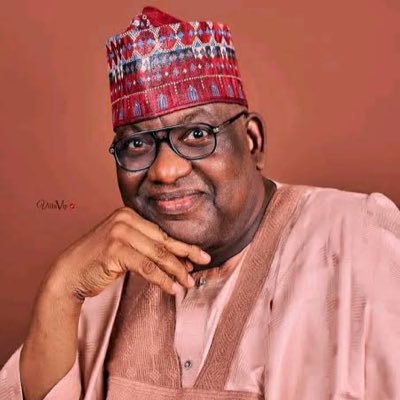
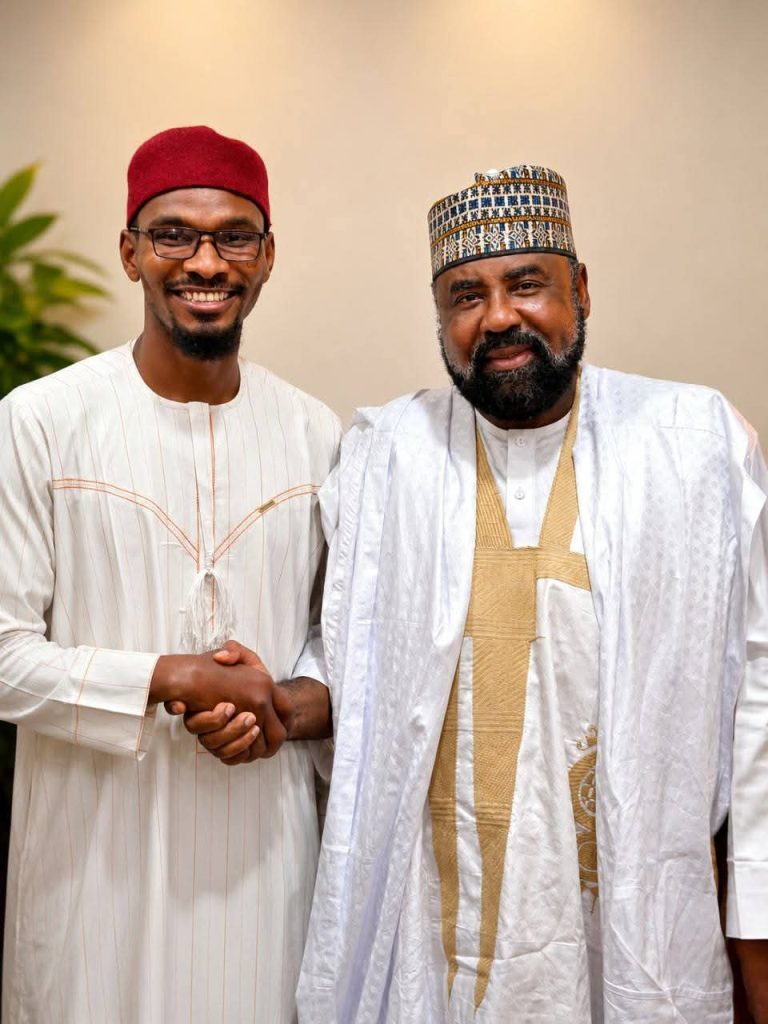
The Chairman of the Kano State Multi-Agency Task Force on Drugs Abuse and Trafficking, Alhaji Muhyi Magaji Rimin Gado, has declared a total war against drug abuse and trafficking in Kano State, warning drug dealers, traffickers and businesses operating outside established regulations that there will be no hiding place for them.
The declaration was contained in a statement signed by a member of the Media and Publicity Committee of the Multi-Agency Task Force on Drugs Abuse and Trafficking (MATFDAT), Lamara Garba, MNIPR, and made available to newsmen in Kano.
Muhyi issued the warning while speaking on Duniyar Mu a Yau, a phone-in programme aired by Freedom Radio, Kano, where he outlined the Task Force’s intensified enforcement operations and broader strategy to confront the growing menace of substance abuse.
He declared that the campaign would be conducted without fear or favour, insisting that no individual, business or institution would be protected from the law because of status or influence.
«“There will be no sacred cow. Anyone who engages in the selling or abuse of drugs will certainly be apprehended and prosecuted. There will be no hiding place for such criminals in Kano State.”»
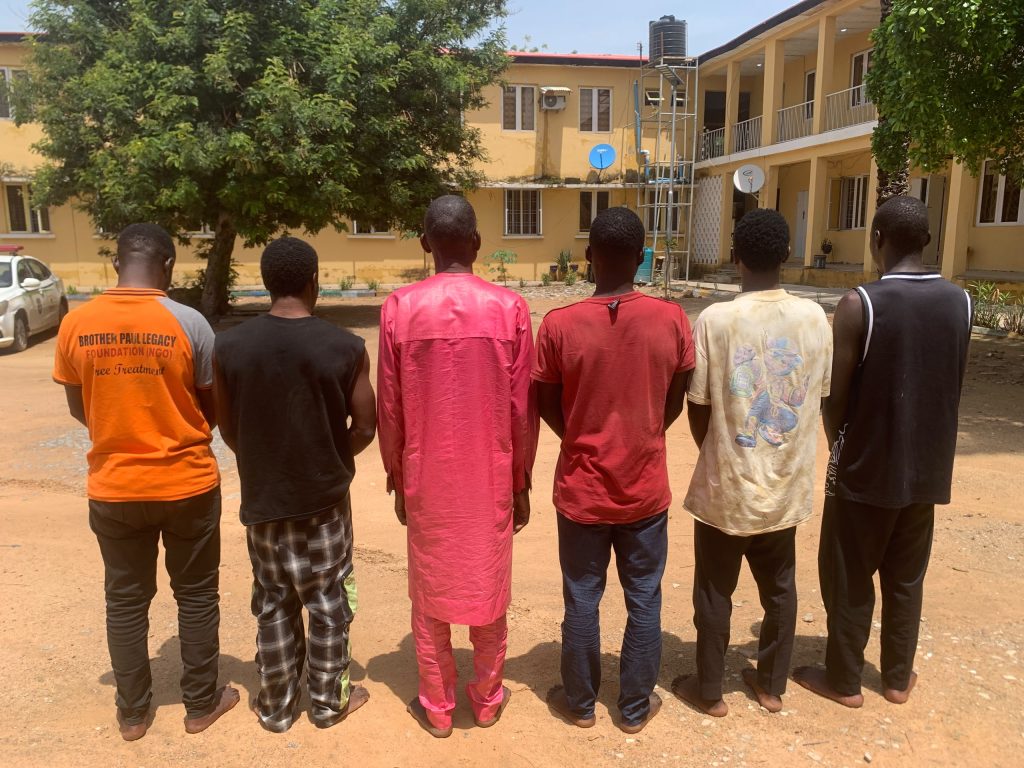
The Chairman disclosed that the Task Force had already arrested and prosecuted several suspects over alleged drug-related offences, while a number of drug stores had been sealed for violating regulations governing the sale, handling and storage of drugs.
He warned drug peddlers across the state to immediately abandon the illicit business or face arrest and prosecution.
From Arrests to Rehabilitation
Muhyi said the Task Force’s campaign was not limited to arrests and prosecution, explaining that some victims of substance abuse had already been taken to the Kiru Reformative Centre for rehabilitation.
He said the objective was to help affected persons overcome substance abuse and return to productive lives.
According to him, the Task Force would continue to combine enforcement with rehabilitation, public enlightenment, youth empowerment and engagement with communities and critical institutions.
He said the Task Force would also deepen its engagement with religious scholars, traditional rulers, civil society organisations, market associations, youth groups and other stakeholders.
No Safe Haven Even in Government Offices
The Chairman further disclosed that the Task Force had extended its operations to government institutions to ensure that public offices were not used as safe havens for drug-related activities.
Muhyi revealed that he personally visited the Audu Bako Secretariat, where arrests were made during the course of the Task Force’s operations.
He maintained that the campaign would extend to every location where drug-related activities were suspected, stressing that enforcement would be carried out without fear or favour.
NSCDC: Drug Abuse Behind More Than 90% of Social Vices
The Task Force’s declaration coincided with a warning from the Kano State Commandant of the Nigeria Security and Civil Defence Corps, Commandant Muhammad Hassan Agalama, that drug abuse was closely linked to the majority of social and security problems confronting society.
Agalama made the assertion when the Task Force paid a courtesy visit to the NSCDC Kano State Command as part of efforts to strengthen inter-agency collaboration and intelligence sharing.
He said tackling drug abuse and trafficking was central to addressing more than 90 per cent of the social vices and security challenges confronting society.
The Commandant described substance abuse as a major threat to peace, security and social stability, particularly because of its devastating consequences for young people.
He commended Governor Abba Kabir Yusuf for establishing the Multi-Agency Task Force, describing the initiative as timely and necessary.
Agalama assured the Task Force of the full support and cooperation of the NSCDC, stressing that security agencies and other stakeholders must work together to achieve a drug-abuse-free society.
«“The fight is for everyone to join, and we can get a drug abuse free society. Certainly, there would be peace and tranquillity in the land.”»
“We Can’t Do It Alone” — Task Force Seeks Security Collaboration
Muhyi, while responding, said the visit was aimed at securing stronger cooperation from the NSCDC in intelligence gathering, coordinated operations, enforcement and public enlightenment.
He acknowledged the support of security agencies and stressed that the magnitude of the drug menace required collective action.
«“We can’t do it alone. Hence, the desire to collaborate with stakeholders and sister security agencies. We are proud of your personnel and all the other sister security agencies.”»
He disclosed that barely one month after the inauguration of the Task Force, there had been a remarkable improvement in the activities of drug peddlers across the state.
The development, he said, was a result of the combined efforts of the Task Force and collaborating agencies.
The Task Force also visited the Kano State Command of the Department of State Services to seek further collaboration, particularly in intelligence gathering and coordinated operations.
Youth Empowerment as a Weapon Against Drug Abuse
Muhyi said the Task Force was equally working to address the socio-economic factors that could expose young people to substance abuse and criminality.
He disclosed plans to rehabilitate and revive skills acquisition centres across the state, including the Dangote Skills Acquisition Centre.
The centres, he explained, would provide young people with vocational skills and productive opportunities capable of steering them away from drugs, trafficking and other forms of criminality.
He described youth empowerment as an important component of the wider campaign, stressing that sustainable progress required both enforcement and the creation of positive alternatives for vulnerable young people.
“I Would Rather Die Than Compromise”
Muhyi also made a strong personal commitment to the campaign, declaring that he was prepared to make significant sacrifices to ensure that Kano was rid of the menace.
«“We are committed to sacrificing everything for this assignment. I would rather die than compromise on this fight.”»
He described drug abuse as an increasingly endemic problem that had assumed a dimension beyond what many people had imagined.
The Chairman commended Governor Abba Kabir Yusuf for establishing the Multi-Agency Task Force, saying the initiative demonstrated the administration’s determination to confront a major threat to the future of Kano’s young population.
He assured the governor and people of the state that the Task Force would justify the confidence reposed in it by pursuing the assignment with courage and integrity.
Residents Urged to Join the Fight
Muhyi called on residents, parents, traditional rulers, religious leaders, community organisations and other stakeholders to support the campaign and provide relevant information to security and enforcement agencies.
He stressed that the fight against drug abuse and trafficking could not be won by government agencies alone.
«“It is a collective responsibility. We must all join hands to secure our society and protect our young people from the devastating consequences of drug abuse.”»
The Task Force said it would continue to combine arrests and prosecution with rehabilitation, intelligence sharing, public enlightenment, youth empowerment and stakeholder engagement as it intensifies efforts to make Kano State increasingly free from drug abuse and trafficking.