


Ado Doguwa Said What Others Fear to Say — And We Should Acknowledge It
By Ibrahim Yaro D-Tofa
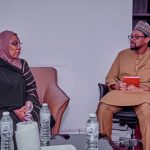
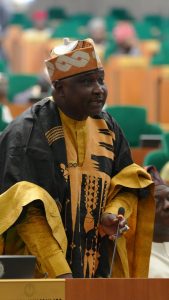
In recent weeks, the reaction to Hon. Alhassan Ado Garba Doguwa’s public engagements has exposed a deeply rooted problem within our political culture—particularly in Northern Nigeria. When the lawmaker shared pictures from London, the backlash was immediate and intense. Social media erupted, critics sharpened their tongues, and the conversation quickly deteriorated into personal attacks.
But when the same Ado Doguwa spoke boldly about the worsening insecurity that has devastated communities across Nigeria, the uproar vanished. The loud critics fell silent. Suddenly, the issue that deserves national attention became one many preferred to ignore.
Some even suggested that Doguwa’s remarks were not “from the heart,” an argument that reflects a troubling tendency in our society: we punish leaders for speaking, and reward them for staying silent.
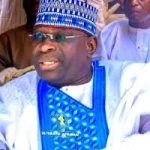
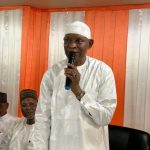
Whether one agrees with Doguwa or not is not the point. What matters is that he said what many lawmakers have consistently refused to say. In a political environment where fear, self-preservation, and political correctness often silence those in authority, Doguwa chose to break the silence. That alone is worthy of acknowledgment.
Even if his message lacked the emotional tone some people expected, it remains more than what many other legislators have offered. If more representatives demonstrated his level of boldness, perhaps Nigeria’s national discourse would shift from gossip and trivialities to the real issues that threaten our collective existence.
But the deeper issue extends beyond Doguwa. It lies with us—the people.
Too many citizens, especially in the North, approach politics with sentiment rather than strategic thinking. We invest enormous energy in trivial controversies but ignore discussions that affect our lives directly. We celebrate gossip but neglect governance. We mock travel photos but overlook conversations about rising insecurity, economic hardship, and governance failure.
This culture of misplaced priorities is part of the reason the region continues to lag behind.
“Ba abunda muka fi maida hankali kansa sai shiririta.”
We focus on the frivolous while the region suffers from insecurity, poverty, and educational decline.
A politically conscious society must know when to criticize and when to commend. A region that erupts in anger over a photograph but remains silent when a leader addresses national insecurity has lost sight of what truly matters.
Ado Doguwa is not perfect—and no politician is. But at a time when silence has become the dominant language of many office holders, his willingness to speak should count for something. Courage, even when imperfect, is still courage.
If Northern Nigeria is ever to progress, it must begin to encourage bold leadership, reward honesty, and demand real contributions from its elected representatives. Until we shift our priorities, we will continue to shout over irrelevant matters while insecurity worsens—and our political backwardness deepens.
Ibrahim Yaro D-Tofa is a public affairs analyst. He writes from Kano.