


IsDB Commissions Agric Mechanization Hub in Kano, Targets Food Security and Farmers’ Prosperity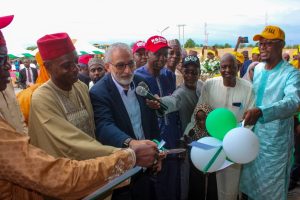
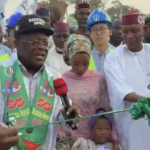
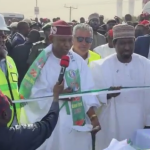
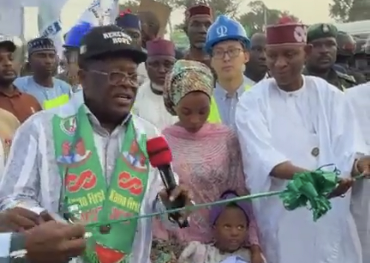
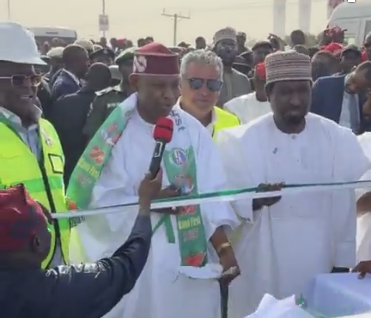
The Islamic Development Bank (IsDB) has commissioned a state-of-the-art agricultural mechanization center in Kadawa, Garun Mallam Local Government Area of Kano State, designed to transform farming practices, boost food security, and enhance rural livelihoods.
The mechanization hub, one of three established under the Kano State Agro-pastoral Development Project (KSADP), is funded by IsDB and the Lives and Livelihoods Fund (LLF), with implementation support from the Sasakawa Africa Association. It represents a strategic move to modernize agriculture by reducing drudgery, cutting production costs, and minimizing post-harvest losses that have long hindered Nigerian farmers.
Equipped with tractors, power tillers, planters, harvesters, threshers, and supported by skilled operators and technicians, the hub is anchored on a sustainable service-provider model aimed at increasing efficiency and productivity across crop and livestock value chains.
Speaking at the launch, IsDB Vice President (Operations), Dr. Rami Ahmad, described the development as a “landmark achievement” that will reverberate across Kano and beyond.
“It is a collective success story that will serve the people of Kano State and surrounding regions for years to come,” he said. “From crop production to irrigation, processing, livestock productivity enhancement, and climate-resilient initiatives, the benefits of this project will crystallize over time.”
Dr. Ahmad further urged the state government and private sector stakeholders to collaborate in sustaining and expanding the initiative beyond donor support.
Local farmers have already begun to reap the dividends. Sagir Abubakar, a farmer from Chiromawa community, revealed that his cooperative generated over ₦21 million through mechanization support, saving ₦20 million while disbursing ₦1.3 million to members for seeds and inputs.
The initiative is in line with IsDB’s agricultural policy, which prioritizes sustainable, resilient, and inclusive development in member states, while addressing poverty and enhancing food security through modernized food systems.
With the Kadawa center now operational, Kano’s farming communities are poised for a new era of mechanized agriculture—one that promises higher yields, reduced manual labor, and lasting socio-economic impact.