






In Defense of Abdullahi Ibrahim Rogo: A Necessary Perspective on the Role of a DG Protocol in Kano State
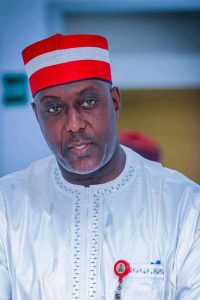
By Yusuf Lamido Ibrahim
In recent weeks, the Kano State Directorate of Protocol has been thrust into the spotlight due to allegations surrounding its Director General, Abdullahi Ibrahim Rogo, and purported transactions amounting to 6.5 billion naira. As a concerned citizen of Kano and a keen observer of our state’s governance, I feel compelled to present a comprehensive defense of Mr. Rogo, emphasizing the critical nature of his role and the broader context of these allegations.
To appreciate the gravity of the situation, it is essential to first understand the responsibilities that come with the position of DG Protocol in a state as significant as Kano. The role is not merely administrative; it is foundational to the effective functioning of government operations, particularly in a state renowned for its hospitality and cultural richness. Mr. Rogo is tasked with a multitude of responsibilities, including:
1. Guest Reception and Hospitality: The DG Protocol is responsible for receiving state guests, which include dignitaries, foreign diplomats, and various stakeholders. This involves greeting them upon arrival, ensuring their comfort, and providing necessary assistance throughout their stay. The impression that these guests take away from their visit can significantly impact the state’s reputation and future relations.
2. Logistics Coordination: The DG oversees all logistical arrangements for official events, including transportation, accommodation, and security for guests. This requires meticulous planning and coordination with various agencies to ensure that every detail is attended to, reflecting the state’s commitment to hospitality.
3. Event Planning and Management: The DG Protocol plays a crucial role in planning and executing official state events, ceremonies, and functions. This includes coordinating schedules, managing invitations, and ensuring that all protocols are adhered to during these events. The successful execution of such events is vital for fostering goodwill and cooperation among stakeholders.
4. Advisory Role: Serving as an advisor to the governor and other state officials on matters of protocol and etiquette is another critical aspect of the DG’s role. This includes providing guidance on how to interact with foreign dignitaries and ensuring that state protocols are followed during official engagements.
5. Budget Management: The DG Protocol manages the budget allocated for protocol services, which encompasses expenses related to hospitality, events, and other official functions. This responsibility requires careful oversight to ensure that funds are utilized effectively and transparently.
6. Communication and Liaison: Acting as a liaison between the state government and various stakeholders, including other government agencies, private sector partners, and international organizations, is a key responsibility. Effective communication and relationship-building are essential for the state’s interests.
7. Cultural Representation: The DG Protocol represents the state’s culture and traditions during official events, ensuring that cultural practices are respected and incorporated into state functions. This is particularly important in a diverse state like Kano, where cultural heritage plays a significant role in governance.
8. Crisis Management: The DG must be prepared to manage crises effectively during official events or visits, ensuring that the state’s reputation is upheld even in challenging situations.
9. Documentation and Reporting: Maintaining records of official visits, events, and expenditures related to protocol activities is essential for accountability and transparency. This documentation is crucial for evaluating the effectiveness of protocol services.
10. Training and Development: The DG may also be involved in training staff and other officials on protocol matters, ensuring that everyone involved in state functions understands the importance of proper etiquette and procedures.
With this understanding of the DG Protocol’s responsibilities, it becomes evident that the 6.5 billion naira figure, while alarming at first glance, must be contextualized within the scope of state operations. It is not uncommon for state governments to allocate substantial budgets for hospitality, logistics, and protocol services. The amount in question likely encompasses not just personal gifts or courtesy visits but also the extensive logistical arrangements required for movements both within and outside the country.
Moreover, it is essential to recognize that Mr. Rogo operates under the directives of the state governor. The funds allocated for protocol services are not solely at the discretion of the DG; they are part of a broader budgetary framework established by the state government. Mr. Rogo’s role is to execute these directives, ensuring that the governor’s engagements are handled with professionalism and care. Any financial transactions made in this context are not indicative of personal gain but rather reflect the operational needs of the office.
The relationship between the protocol directorate and oil and gas companies further complicates the narrative. In many instances, when the state requires cash for immediate protocol needs, it is common practice to reach out to these companies for support. This practice is not unique to Kano; it is a standard operating procedure in many states where public-private partnerships are leveraged to facilitate governmental functions. The allegations against Mr. Rogo should be viewed through this lens, as they reflect a systemic approach to governance rather than individual wrongdoing.
It is imperative to consider the possibility that these allegations may be part of a larger scheme orchestrated by those who wish to undermine the progress being made under the leadership of Governor Abba Kabir Yusuf. The governor has embarked on a transformative journey to actualize the Kwankwasiyya Agenda, aimed at building a new Kano that is prosperous, inclusive, and forward-thinking. Those who oppose this vision may resort to underhanded tactics to disrupt the good work being done, and the timing of these allegations raises questions about their intent.
Governor Yusuf, I urge you to remain steadfast in your commitment to the people of Kano and not be swayed by these distractions. Allow the anti-graft agencies to conduct their investigations thoroughly and impartially. I am confident that Mr. Rogo will emerge from this scrutiny with his integrity intact, as he has always acted in the best interests of the state.
It is also important to consider Mr. Rogo’s character and professional background. He is a man of integrity, known for his dedication to public service and his commitment to the values of transparency and accountability. His caliber as a professional should not be overshadowed by sensationalized claims that lack substantive evidence. In a time when public trust in government officials is paramount, it is vital to uphold the principle of innocent until proven guilty.
In conclusion, the allegations against Abdullahi Ibrahim Rogo must be approached with caution and a thorough understanding of the context in which he operates. The responsibilities of a DG Protocol in a state like Kano are immense, and the financial figures involved should not be misconstrued as evidence of malfeasance. Instead, they should be seen as part of the necessary expenditures required to maintain the dignity and functionality of our state’s governance.
As citizens of Kano, we should support our public servants who work tirelessly to promote our state’s interests, ensuring that we remain a welcoming and hospitable place for all who visit. Let us stand by Mr. Rogo, recognizing the complexities of his role and the importance of due process in addressing any allegations against him.
Yusuf Lamido Ibrahim Writes from
Kano State