


KWANKWASIYYA: THE ART OF GRASSROOTED POLITICS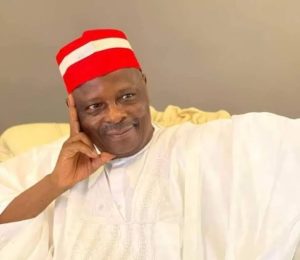
By Hassan Sani Tukur
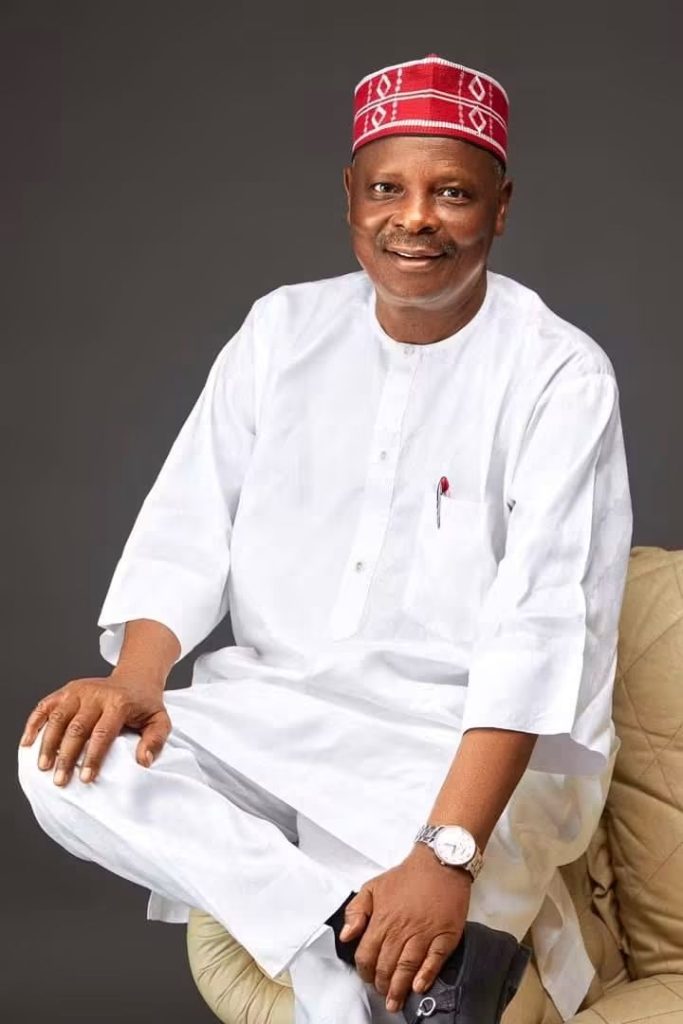
It’s almost ignorant—perhaps, even stupid —to suggest that Sen Rabiu Musa Kwankwaso “proved himself” only after the yesterday’s resounding victory in the August 16th bye-election. That framing implies yesterday was a breakthrough. In reality, it was just another chapter in a long-running political masterclass.
Kwankwaso’s political relevance isn’t new. It didn’t begin with the NNPP, nor did it hinge on federal support or incumbency. His style—grassroots-driven, youth-centered, and ideologically consistent—has shaped Kano’s political terrain for over two decades. To reduce his impact to a single electoral win is to ignore the depth of his influence and the durability of the Kwankwasiyya movement.
Kwankwaso’s legendary return to power in 2011 remains one of Nigeria’s most instructive political comebacks. After leaving office in 2003, many dismissed his chances of reclaiming the governorship. But he didn’t rely on elite endorsements or federal leverage. He returned to the streets, reconnected with communities, and rebuilt his base from the ground up. That victory wasn’t just electoral—it was symbolic. It marked the rise of a political philosophy rooted in service, discipline, and mass mobilization.
Fast forward to 2019. Engr. Abba Kabir Yusuf, Kwankwaso’s most closest and oldest protégé, contested the gubernatorial election under the PDP. The Kwankwasiyya movement had no councillors, no commissioners, no federal legislators, and no access to state machinery. Yet, The revered and popular Abba Gida Gida won. The people of Kano spoke clearly, but the result was overturned through federal intervention that propped up a faltering APC structure.
This wasn’t just a stolen mandate—it was a validation of Kwankwaso’s enduring relevance. Even without institutional power, his movement had the capacity to win. That kind of influence cannot be manufactured—it must be earned.
In 2023, Kwankwasiyya did it again. This time, under the newly formed NNPP, Abba Kabir Yusuf reclaimed the governorship. Once more, the movement had no federal support and no incumbency advantage. Yet, it mobilized, organized, and won. The victory was not just electoral—it was ideological. It proved that political strength in Kano is no longer tied to federal proximity but to grassroots legitimacy.
The story of Kwankwaso’s historic contribution to the emergence and victory of the APC in 2015, his eventual exit, his return to the PDP, and the subsequent treachery within the PDP is a tale for another day. It is one we shall soon tell. But what is certain and most truthful is this: without Kwankwaso’s mobilization and consolidation of the PDP G7 Governors, and his eventual support for the late Gen. Muhammadu Buhari after coming second in the APC primaries in Lagos, the APC’s victory in 2015 would have remained nothing more than a passionate dream.
.
Kwankwaso’s politics is not performative. It’s deliberate. His engagement with the Matasa (youth) is not tokenistic—it’s foundational. He doesn’t rely on thugs or noise; he builds structures, trains loyalists, and invests in political education. His doggedness is evident in his refusal to be sidelined, even when the odds are stacked against him.
Unlike APC Kano, which consistently runs to the Federal Government for rescue, Kwankwaso builds from within. He doesn’t seek shortcuts. He understands that real power comes from the people, not from Abuja. That’s why Kwankwasiyya continues to win—even when stripped of every institutional advantage.
The contrast couldn’t be clearer. APC Kano, without federal backing, is politically hollow. Its operatives lack strategic depth and often resort to provocation rather than policy. Their victories are rarely earned—they’re handed down through intervention. When federal support is absent, APC Kano collapses under its own weight.
Meanwhile, Kwankwasiyya thrives. With Abba Kabir Yusuf now in office, and with the movement gaining institutional presence, the future looks even more promising. The achievements of the current administration, combined with the movement’s grassroots strength, position it as the dominant force in Kano politics.
Kwankwaso didn’t prove himself yesterday. He’s been proving himself since 2011, again in 2019, and once more in 2023. His political style—grounded, strategic, and relentless—has reshaped Kano’s political identity. While APC Kano leans on federal crutches, Kwankwasiyya walks tall on the shoulders of the people. That’s not just power—it’s permanence.
Hassan Sani Tukur
Writes From Kano