





Two Months of Action: Kano’s New Front in the War Against Drug Abuse
By: Lamara Garba
For years, the menace of drug abuse has remained one of the most troubling challenges confronting Nigerian society, particularly its young population. What begins with substance use can develop into addiction, broken family relationships, school dropout, unemployment, violence and criminality. In many communities, the consequences are no longer hidden.
The problem has assumed an even more worrying dimension in Kano, where drug abuse has increasingly been linked with street violence, gang activities, thuggery popularly known as DABA, phone snatching and other social vices.
Available national data indicate the enormity of the challenge. The International Centre for Investigative Reporting, citing data from the United Nations Office on Drugs and Crime, reported that about 14.4 per cent of Nigerians aged 15 to 64, representing more than 14.3 million people, use psychoactive substances non medically, while more than three million suffer from severe drug use disorders. The same report, citing National Drug Law Enforcement Agency data, put Kano’s prevalence at about 16 per cent, making it one of the most affected states in the North West.
It is against this disturbing background that the Kano State Government, under Governor Abba Kabir Yusuf, moved to establish a multi agency response to the problem.
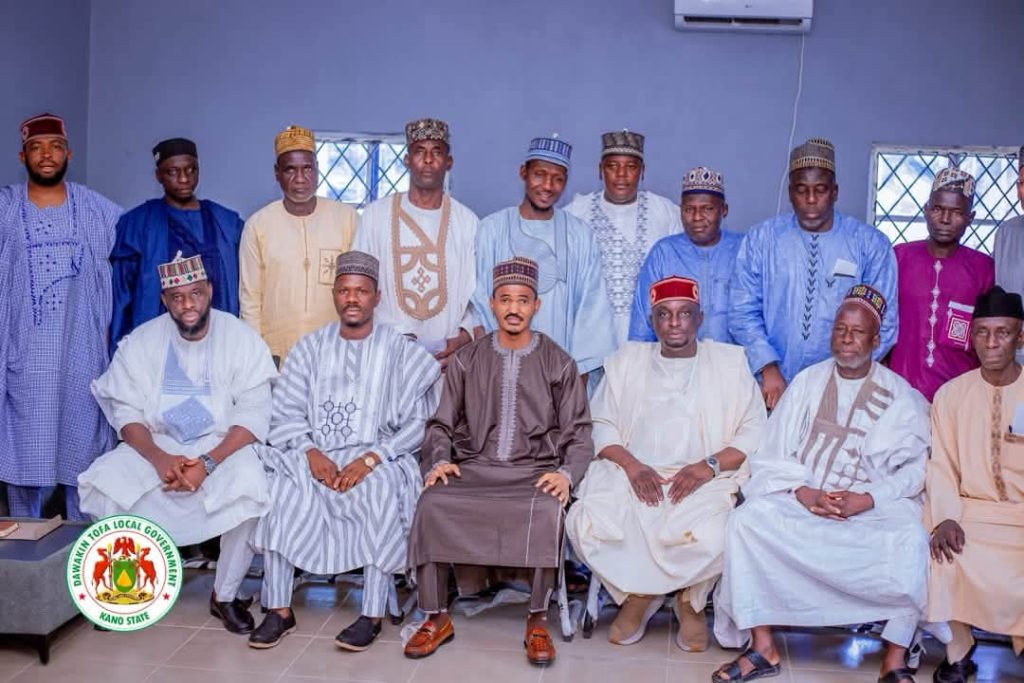
On 22 July 2026, the Governor inaugurated the Kano State Multi Agency Task Force on Drug Abuse and Illicit Trafficking, with Barrister Muhuyi Magaji Rimin Gado as Chairman. The initiative brought together security, law enforcement, health, traditional, religious and civil society stakeholders in a coordinated effort to confront drug abuse, illicit trafficking and their associated criminal activities.
Two months later, the emerging record of the Task Force presents a picture of an intervention that has moved rapidly from policy declaration to field operations.
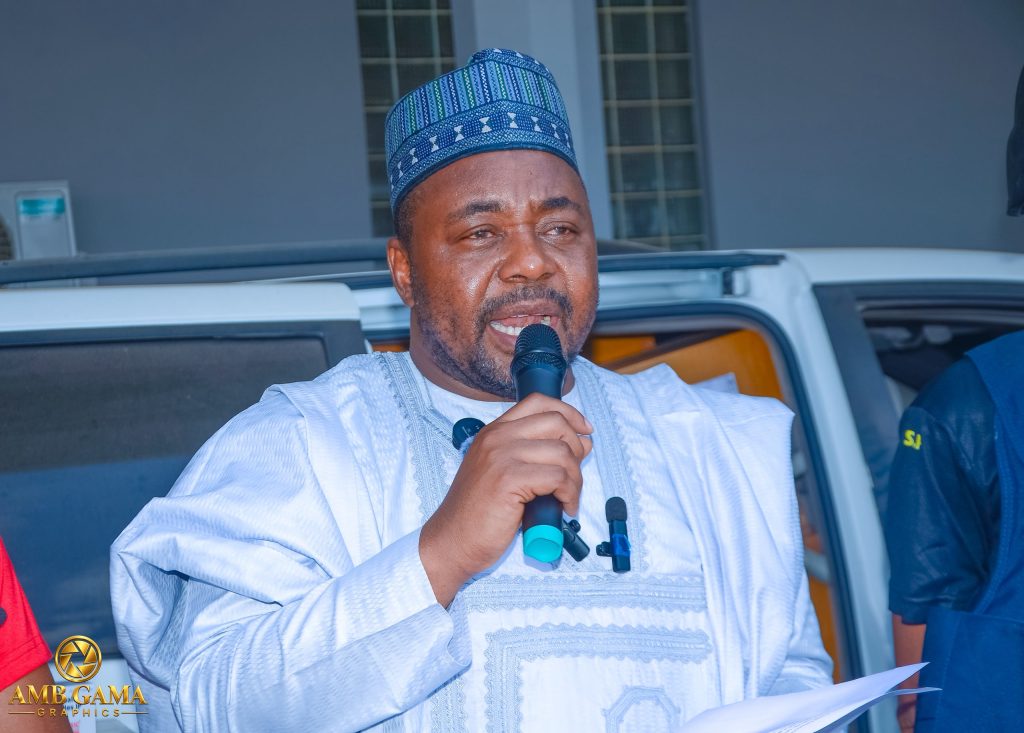
Addresing the Media to Mark the two Months of operation on Tuesday 22nd September, 2026 the Chairman of the Task Force Alhaji Muhuyi Magaji Rimin Gado aaira more than 380 suspects have been arrested, while over 230 convictions have been secured, according to the Chairman’s latest briefing.
For a state battling a problem as complex as drug abuse, these figures are more than statistics. They offer a glimpse into the scale of criminal activity taking place around drug markets, while also showing the extent of the enforcement response that has been mobilised.
The operations have taken the Task Force into locations identified as drug joints and criminal black spots, including Race Course, Filin Idi, Filin Mahaha, Tashar Rami, Kawo and other areas within the metropolis and beyond.
The approach has been to dislodge the gathering points where drug users, dealers and suspected criminals converge, rather than simply wait for individual offenders to appear elsewhere.
Earlier operations had already shown the breadth of the challenge. In August, the Task Force carried out raids in Rimin Gado and Doka communities, arresting 28 suspects and recovering assorted illicit substances. The Chairman said the operations would extend beyond the metropolis to all 44 local government areas of the state.
By September, the scale of the operations had increased. Another operation involving Gandun Albasa, Kasuwar Rimi, Fagge and railway areas resulted in the arrest of at least 70 suspected drug users and others allegedly involved in related activities. The Task Force also announced a target of removing 10,000 vulnerable youths from the streets for rehabilitation, skills acquisition and reintegration.
Behind these operations is an understanding that the drug problem does not exist in isolation.
It is connected to a wider ecosystem of criminality. The Task Force Chairman says some drug joints serve as meeting points for individuals who later engage in DABA, phone snatching and other forms of street violence. The decision to combine drug enforcement with action against gang related activities therefore represents an attempt to address some of the consequences surrounding substance abuse at the same time.
Several suspected gang members have been arrested and convicted, including individuals identified as Abdullahi Ahmad, popularly known as Horror, Abubakar Sada, known as Daburi, Abdullahi Sani, known as Sarki Ale, and Umar Aliyu.
The message from the Task Force is that drug abuse and associated criminal behaviour will no longer be treated as ordinary street activities.
But perhaps the most disturbing dimension of the campaign is the vulnerability of children.
In one of the cases that has attracted considerable attention, 43 underage children were rescued after investigations indicated that some of them, while engaged in street scavenging, were allegedly supplied with rubber solution and other intoxicating substances instead of receiving appropriate payment for their services.
Two men, Kabiru Isa, popularly known as Mada, and Usman Hamisu, known as Mani, were subsequently convicted. Each received a cumulative nine year prison sentence without an option of fine, according to the Task Force and reports of the court proceedings.
The case is significant because it exposes another face of the drug crisis.
Children who should be protected from intoxicating substances were allegedly being drawn into a cycle of exploitation and substance abuse. For such children, intervention cannot end with the arrest of those responsible.
They need medical attention, counselling, family support, education and protection.
The 43 children rescued have undergone medical checks and are receiving counselling and treatment, while efforts continue to identify their families. Some have already been reunited with their relatives.
This combination of enforcement and protection is becoming a defining feature of the Task Force’s intervention.
The campaign has also exposed concerns around the diversion of controlled medicines from legitimate supply chains.
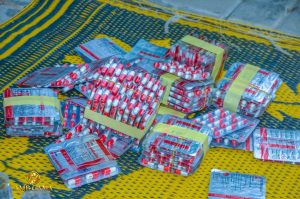
The Task Force says it seized about 870,000 capsules of Pregabalin from a pharmaceutical company in the state over suspected diversion for illicit use.
The concern is not limited to street dealers. It raises questions about the integrity of the pharmaceutical supply chain and the responsibility of companies, pharmacy managers, superintendent pharmacists and other personnel to ensure that controlled medicines do not find their way into illicit markets.
The Chairman has consequently called on pharmaceutical stakeholders to strengthen their internal controls and cooperate with inspections and investigations.
The scale of controlled medicine seizures in Kano has also been reflected in separate NDLEA operations. In September, the agency reported the seizure of 785,000 Pregabalin capsules weighing more than 669 kilograms in Sabon Gari, Kano, in an operation that resulted in the arrest of a 20 year old suspect.
Such developments demonstrate that the drug problem is not simply a matter of individuals consuming substances on the streets. It also involves supply networks, distribution channels and access to controlled medicines.
The Task Force has therefore adopted a broad enforcement approach that brings together several agencies.
Police, NDLEA, DSS, NSCDC, Correctional Service, Hisbah, KAROTA and other stakeholders are participating in the operations.
The multi agency character is important because no single institution possesses all the powers, intelligence, personnel and facilities required to tackle a problem of this magnitude.
The Kano Government has also provided operational support to strengthen the campaign. In August, five new vehicles were handed over to the Task Force to enhance mobility, field operations and intelligence coordination.
Yet, perhaps the most important shift in the strategy is the recognition that enforcement alone cannot end drug abuse.
A person addicted to drugs may be arrested, prosecuted or convicted, but if the underlying problem remains untreated, another vulnerable young person can take his or her place.
The Task Force has therefore combined enforcement with prevention, rehabilitation and reintegration.
Its sensitisation campaign has taken the anti drug message into communities, schools, markets, religious institutions and other public spaces. The objective is to prevent young people from entering the cycle in the first place.
At the same time, individuals already affected by drug abuse are being referred for rehabilitation.
About 125 people have been referred to the Kano Reformatory Institute in Kiru for treatment and rehabilitation.
The growing demand for rehabilitation has, however, created another challenge. The Kiru facility has reportedly reached capacity as more families voluntarily seek help for relatives affected by drug abuse.
Rather than viewing this only as a problem, the Task Force sees the increasing demand for rehabilitation as an indication that families are becoming more willing to seek assistance.
The Kano State Government has consequently provided an additional facility in Tofa Local Government Area to expand rehabilitation services.
The new facility is expected to provide space for more people requiring treatment and rehabilitation.
But recovery is only one stage of the process. What happens after rehabilitation may determine whether the intervention produces lasting results.
A young person who leaves rehabilitation without employment, skills, family support or a productive means of livelihood can easily become vulnerable to the same environment that contributed to the original problem.
This is why the Task Force is now engaging industrial stakeholders and other partners on employment, skills acquisition and economic reintegration.
The stated target is ambitious: to take 10,000 youths off the streets, rehabilitate them, equip them with useful skills and reintegrate them into society.
The plan represents a shift from seeing drug users only through the lens of enforcement to recognising that some require medical, psychological, social and economic intervention.
Recent reports indicate that the Task Force’s rehabilitation proposal includes medical detoxification, structured rehabilitation, vocational training and support for economic reintegration. The Chairman has identified trades and practical skills as part of the strategy for helping beneficiaries become economically productive.
This approach also places an important responsibility on the wider society.
Government can provide facilities. Security agencies can make arrests. Courts can determine cases. Health professionals can provide treatment. Trainers can provide skills.
But communities must provide acceptance and support for those who successfully complete rehabilitation.
Families must be willing to participate in the recovery process. Employers and businesses must be prepared to provide opportunities. Religious and traditional institutions must continue to educate communities. Civil society organisations must support prevention and reintegration.
The media, too, has an important role to play.
Reporting the number of arrests and seizures may communicate the scale of enforcement, but sustained public education requires deeper storytelling about prevention, treatment, recovery and the consequences of drug abuse.
The first two months of the Kano Task Force therefore tell two stories at once.
The first is the disturbing magnitude of the problem.
More than 380 arrests, over 230 convictions, the dismantling of drug joints, the recovery of illicit substances and weapons, cases involving vulnerable children, alleged diversion of controlled medicines and the disruption of phone snatching and gang networks all point to a challenge that extends well beyond individual drug consumption.
The second story is the emergence of a coordinated response.
The Task Force has brought enforcement agencies and other stakeholders together, moved into identified black spots, pursued prosecutions, rescued vulnerable children, expanded sensitisation, referred affected individuals for rehabilitation and begun planning for skills acquisition and reintegration.
The journey is still at an early stage.
Two months is not enough to declare victory over a problem that has developed over many years. Indeed, the scale of the arrests and seizures suggests that the challenge remains substantial.
What the first two months demonstrate is that the response has moved from concern to organised action.
The real measure of success in the months ahead will not only be the number of arrests or convictions. It will also be whether fewer young people enter the cycle of substance abuse, whether vulnerable children are protected, whether rehabilitation produces sustainable recovery, whether former users find productive livelihoods and whether communities become safer.
For Kano, therefore, the next phase may be even more important than the first.
The foundations of enforcement have been laid. Rehabilitation facilities are being expanded. Prevention activities are reaching communities. A target of 10,000 youths has been set.
The challenge now is to sustain the momentum, strengthen coordination and ensure that every intervention, from the street corner to the courtroom and from the rehabilitation centre to the workplace, contributes to the same objective.
A drug free society cannot be created by arrests alone.
It requires prevention before addiction, intervention when addiction occurs, justice where criminality is established, rehabilitation for those who need it and opportunity for those seeking a second chance.
That is the larger test facing Kano’s anti drug campaign.
Two months into the operation, the Task Force has shown that the state has begun confronting the problem on several fronts.
The months ahead will determine how far that coordinated response can transform the lives of those caught in the drug crisis and restore confidence in communities that have long lived with its consequences.
Lamara Garba, mnipr, is a member of the Multi Agency Task Force in Drugs Abuse and Illicit Trafficking