



The Kaduna State House of Assembly has passed the Kaduna State Senior Secondary Schools Education Board Bill, 2025, into law. The legislation is aimed at streamlining the administration of senior secondary schools across the state to align with modern education standards.
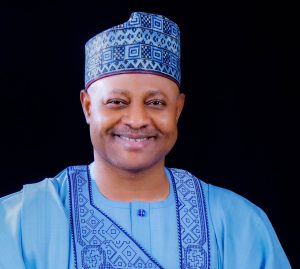
Presiding over the plenary session, Deputy Speaker Mr. Henry Magaji Danjuma stated that the new law would enhance the quality and management of senior secondary education in the state.
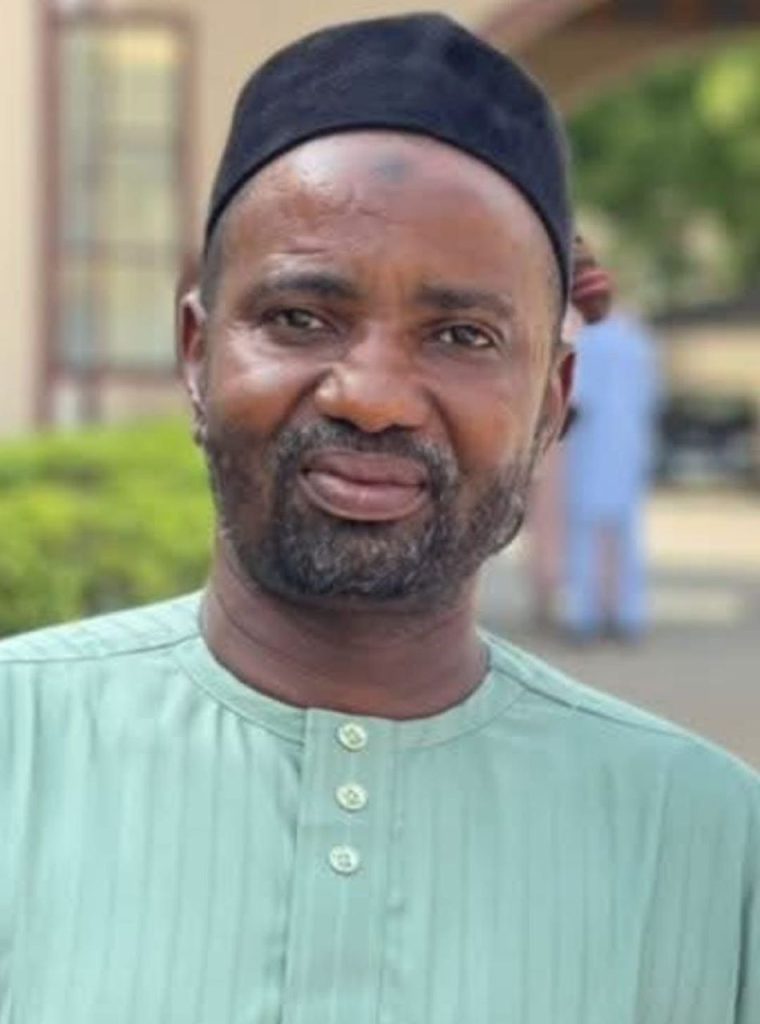
The bill’s passage followed the presentation of a report by Barr. Mahmud Lawal Isma’ila, Chairman of the Joint Committee on Education and Judiciary, and representative of Zaria City Constituency. He explained that the law was necessitated by recent reforms in Nigeria’s national education structure.
“Previously, we operated under the 6-3-3-4 education system – six years of primary school, three years each of junior and senior secondary school, and four years of tertiary education. However, the National Assembly has now revised this to a 9-3-4 system. This mandates nine years of basic education (comprising primary and junior secondary school), followed by three years of senior secondary education and four years of tertiary education,” Isma’ila said.
He emphasized that the revised structure requires each state to establish a dedicated body to oversee senior secondary education, prompting the introduction of the new law in Kaduna.
Regarding institutional oversight, Isma’ila noted that the Teachers Service Board (TSB), which previously managed both junior and senior secondary schools, will no longer oversee senior secondary institutions. The new Senior Secondary Schools Education Board will assume this responsibility.
He added that the creation of the board qualifies Kaduna State to receive counterpart funding from the federal government. “Without a dedicated regulatory body, states are not eligible for federal intervention funds. With this law, Kaduna State now meets the criteria for support from the National Senior Secondary Education Commission,” he said.
The establishment of the board is expected to strengthen the state’s education sector and improve access to quality senior secondary education.