
By Haruna Abubakar Bebeji & Bello Umar
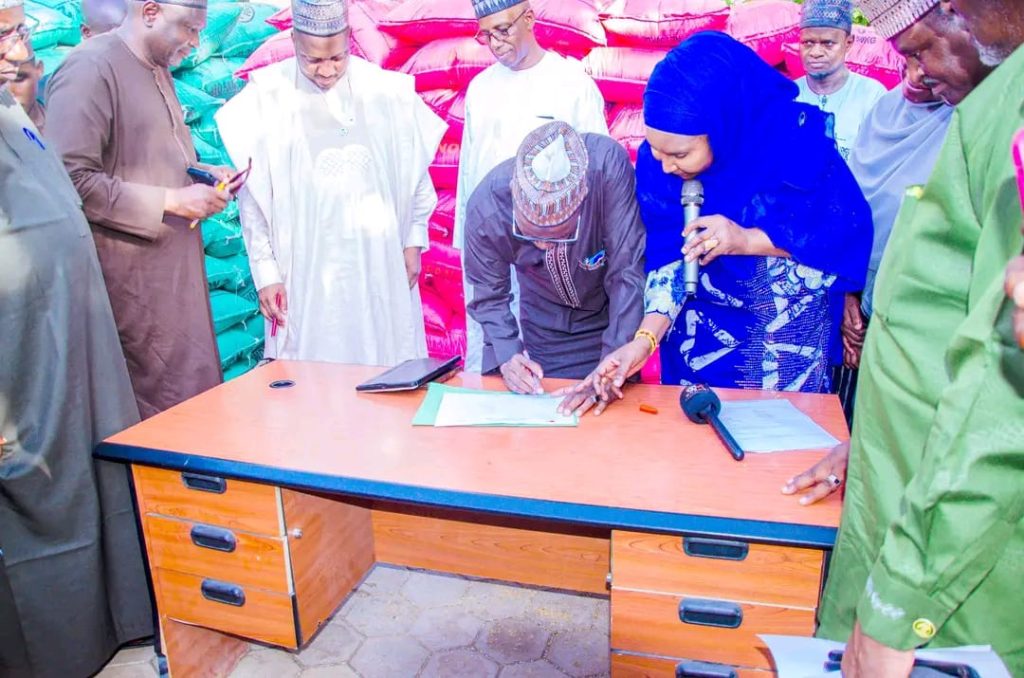
In a display of remarkable unity and urgency, the Arewa Consultative Forum (ACF), Northern Nigeria’s foremost socio-political organization, held its 35th Board of Trustees (BOT) meeting at the ACF Headquarters in Kaduna. The atmosphere was charged, not only with the tradition and responsibility befitting the gathering of the region’s elite but also with a deep concern for the escalating challenges facing the North and the country at large.
Chaired by the Wazirin Dutse, Alhaji Bashir M. Dalhatu, the meeting brought together an impressive array of northern statesmen, politicians, technocrats, and thought leaders. On the agenda were pressing issues of security, regional equality, federal policy impact, and the approach to the 2027 elections. Collectively, their deliberations signaled the emergence of a rejuvenated and assertive ACF, determined to chart a bold, strategic path for the North in the face of existential threats and perceived marginalization.
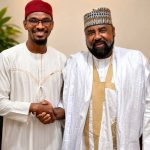
The convocation was notable for its attendance. Among the dignitaries were:
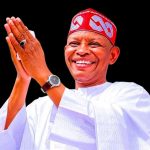
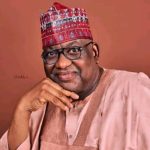
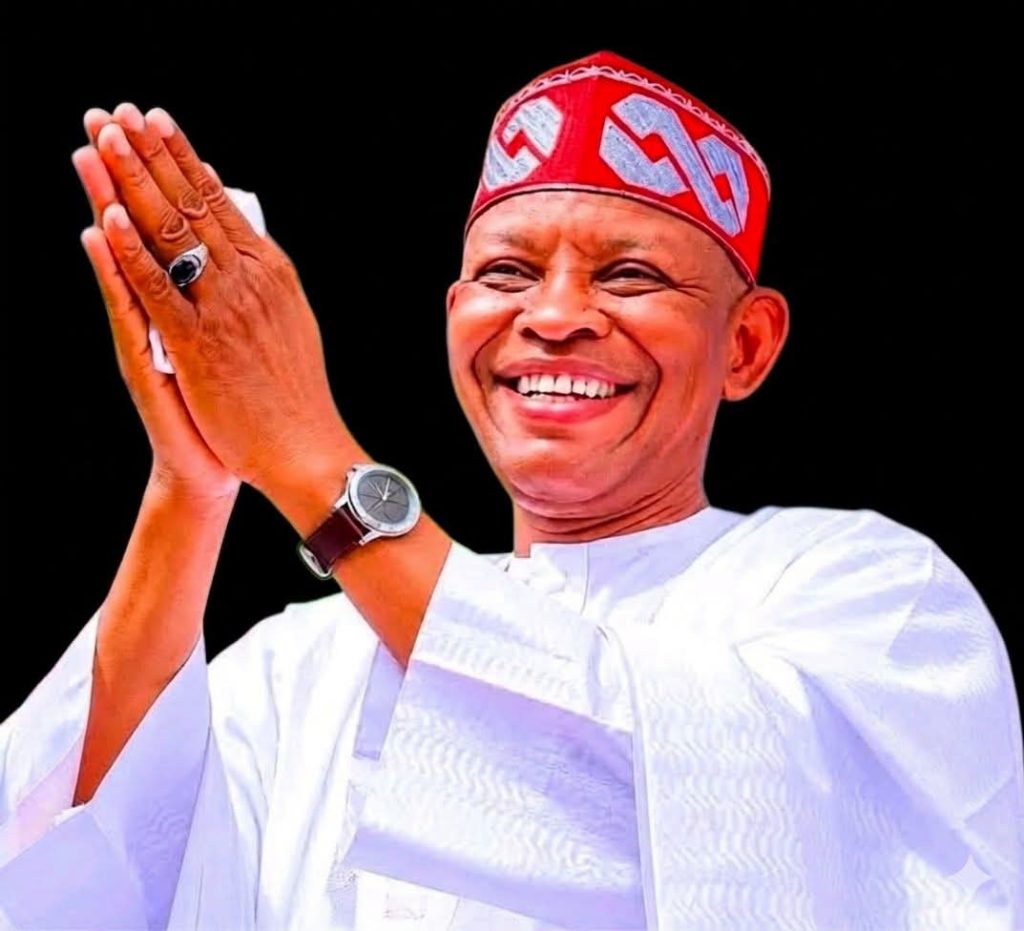
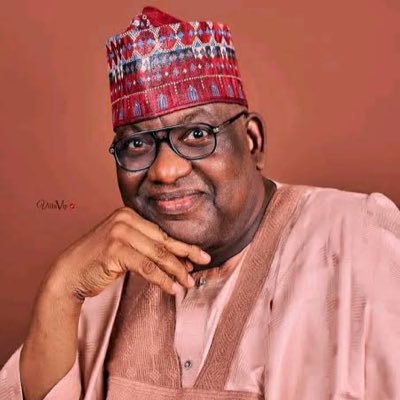
Alhaji Bashir M. Dalhatu, Wazirin Dutse, Chairman ACF BOT, Malam Murtala Aliyu, Matawallen Gombe – Secretary General ACF, Alhaji Ramalan Yero, Former Governor of Kaduna State, Alhaji Ahmed Makarfi, Former Governor of Kaduna State and BOT Committee Chairman , Senator Ibrahim Shekarau, Former Governor of Kano State Lai Mohammaed, Former Minister of Information Solomon Dalung, Former Minister Alhaji Nasiru Haladu Danu – Sardaunan Dutse
Brig. Gen. Sani Kukasheka Usman (rtd), Former Army Spokesman Babachir Lawal, Former Secretary to the Government of the Federation Dr. Usman M. Bugaje, Dr. Hakeem Baba-Ahmed, Former Political Adviser to the Vice President Among oothers.
Also in attendance are the Representatives from specialist northern organisations .
Like Northern Elders Forum , Sir Ahmadu Bello Memorial Foundation , League of Northern Democrats , Arewa Movement for Good Governance, Jam’iyan Matan Arewa, Arewa Research and Development Project, Among others.
The gathering embodied a powerful cross-section of expertise and influence, united in purpose despite diverse backgrounds.
Alhaji Bashir Dalhatu’s opening remarks were both a welcome and a call to arms. Acknowledging the personal sacrifices—some having traveled great distances—he underscored the gravity of the task at hand and saluted the enduring commitment of ACF members. He also emphasized the growing participation of associate organizations, highlighting the broad coalition consolidating around the ACF’s mission.
Foremost among the concerns was the deteriorating security situation in northern Nigeria. With an unflinching candor, Dalhatu lamented that despite the establishment of specialized committees to address security challenges—headed by no less than Lt. Gen Abdulrahman Dambazau (rtd), with ex-IGP Alhaji Mohammed D. Abubakar as deputy—the situation has worsened. Persisting violence and senseless killings in states such as Borno, Katsina, Zamfara, Sokoto, Plateau, Benue, and Niger have become a daily reality, straining both the military and civil society. Dalhatu reaffirmed the ACF’s commitment to pursuing all avenues—political, traditional, or diplomatic—to stem the tide of violence ravaging the region.
The chairman was equally forthright in denouncing rising cases of hostility and violence against Northerners in southern states, noting the tragic irony given the North’s historic hospitality. He condemned the inability of successive governments to protect Northern lives and property in other regions, asserting that such attacks are morally indefensible and must be confronted both locally and nationally.
A crucial policy plank discussed was the protection of Northerners from landlessness, especially in the light of growing demand from foreign interests. Dalhatu called for comprehensive reforms of the land ownership system, warning that authorities must act to prevent the region’s indigenes from being displaced or disadvantaged in their homeland.
The perceived marginalization of the North by federal authorities was a recurring theme. The audience was reminded that discriminatory policies had bred deep disenchantment among Northerners, leading to open questioning of the region’s continued participation in the federation. Dalhatu cited the ongoing injustice to the indigenous people of the Federal Capital Territory, Abuja, who he argued had been rendered “landless and homeless” by the Federal Government’s failure to fulfill statutory obligations. He advocated for compensation, restitution, and the possible creation of an FCT indigenes’ state within Nigeria’s federal structure.
The following committees were highlighted for their diligent work:
– Special Security Committee: Chaired by Lt. Gen. Abdulrahman Dambazau (rtd)
– Unity, Peace and Reconciliation Committee: Led by Alhaji Mahmud Yayale Ahmed, with Engr. Babachir Lawal as deputy
– Tax Reform Bills Committee: Chaired by Alhaji Ahmed Makarfi, whose recommendations received strong endorsements from the Northern National Assembly caucus and the wider public.
The ACF issued a strong caution against premature politicking ahead of the 2027 elections. Instead, Dalhatu advocated for diligent scrutiny and assessment of the current administration’s policies, projects, and programs, especially in terms of their impact on Northern interests. Faith in parochial politicians or party loyalties, he declared, was less important than the North’s collective interest; “All politics is local.”
In an affirmation of the region’s strengths, Dalhatu enumerated the North’s assets: a majority of states (19 out of 36), control of the FCT, dominance in the National Assembly and other federal organs, land mass (75% of Nigeria’s territory), and population (about 60%). Yet, he reminded the audience that these advantages would only yield prosperity and security if unity was preserved above all else, succinctly capturing the moment: “United we stand, divided we fall!”
As the ACF approaches its 25th anniversary, preparations for a memorable celebration are underway. The Secretary General was tasked with updating members and coordinating efforts for a historic commemoration.
Conclusion
The 35th ACF BOT meeting signaled a new era for the Forum. Confronted by grave challenges—security crises, social hostility, and structural injustice—the ACF is recalibrating its strategies, widening its coalition, and asserting a more forceful voice in national affairs. The message from Kaduna is unmistakable: the Arewa Consultative Forum is poised not only as a defender of Northern interests but as a champion of national justice and equity.
If the roster of dignitaries and the tone of the deliberations offer any indication, the ACF’s “new face” is one of urgency, unity, and engaged leadership—ready to ensure that the North’s place in Nigeria, and in Africa, is not only preserved but dignified.