


The 6,000 Riyals Test: How Mustapha Muhammad Turned Honesty into a National Lesson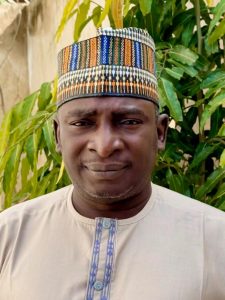
By Dr. Musa Abdullahi Sufi
In an age when public confidence in institutions is increasingly tested, the decision by Kano government spokesman Mustapha Muhammad to return a mistakenly paid 6,000 Saudi Riyals during the 2026 Hajj operation stands as a powerful reminder that integrity remains the foundation of credible leadership and public service.
In an era where honesty is often celebrated as an exception rather than the norm, one Nigerian public servant has reminded society that integrity remains the most valuable currency of leadership.
In a world increasingly challenged by corruption, declining public trust, and the erosion of ethical values, stories of integrity deserve more than a passing mention—they deserve celebration, reflection, and emulation.
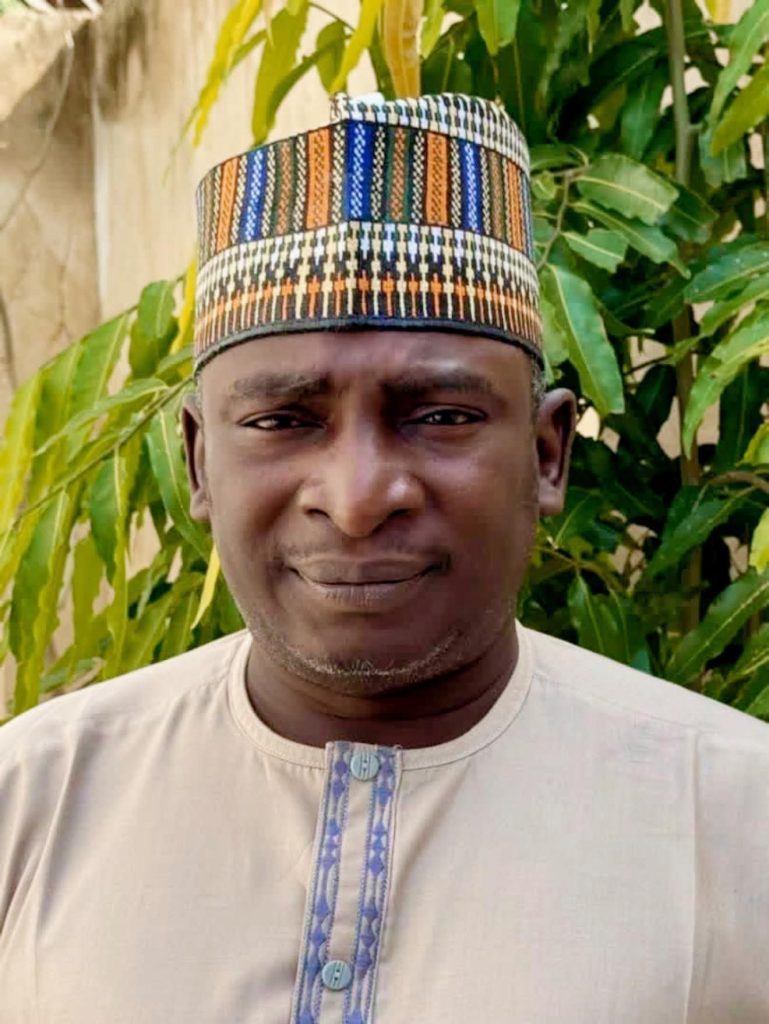
Such a story recently emerged from the holy city of Makkah during the 2026 Hajj pilgrimage, where Malam Mustapha Muhammad, spokesperson to the Governor of Kano State, Nigeria, demonstrated a rare and inspiring act of honesty that has captured the admiration of colleagues, government officials, and observers alike.
The incident was simple. Yet its significance was profound.
During the distribution of allowances to journalists covering this year’s Hajj operations, an accounting error resulted in Mustapha Muhammad receiving an excess payment of 6,000 Saudi Riyals—an amount worth more than two million Nigerian Naira at the current exchange rate.
Many people might have overlooked the mistake. Others might have remained silent. Some could even have justified keeping the money. But Mustapha Muhammad chose a different path.
After carefully reviewing the allocations and realizing that he possessed more money than he was entitled to, he immediately consulted colleagues and took the initiative to return the excess funds to ensure that the rightful beneficiaries received what belonged to them.
The act may appear ordinary to some. Yet in reality, it represents one of the most extraordinary virtues any society can possess: the courage to do what is right when nobody is forcing you to do so.
Integrity Beyond Observation
True character is revealed not when people are watching, but when they are not. The returned money was not discovered through an audit. No investigation compelled the action. No accusation was made. No pressure was applied. The decision emerged purely from conscience. That is what makes the gesture remarkable.
Integrity is not merely about avoiding wrongdoing; it is about actively protecting what is right. It is the willingness to place justice above personal gain and trust above temptation.
At a time when public confidence in institutions is under strain across many parts of the world, acts such as this become powerful reminders that ethical leadership still exists.
A Life Consistent with the Action
Perhaps what makes this story even more compelling is that those who know Mustapha Muhammad are not surprised. His action reflects a lifetime shaped by professionalism, accountability, discipline, and service.
Born in Kano on December 26, 1974, Mustapha Muhammad has built a distinguished career spanning more than two decades in journalism, media leadership, communication, and public service.
His academic journey reflects a relentless pursuit of knowledge. He holds a Bachelor’s Degree in Mass Communication, a Master’s Degree in Mass Communication, a Master’s Degree in Development Studies, and is currently pursuing a PhD in Mass Communication.
Throughout his career, he has worked with respected international media organizations, including the BBC World Service, Bloomberg News, Radio France Internationale (RFI), Inter Press Service (IPS), and several development communication initiatives.
His excellence in documentary production earned him the BBC Documentary Competition Award in 2014 and recognition as Best Documentary Maker by Crystal International in 2015.
The Value of Trust
Trust cannot be purchased. It cannot be borrowed. It cannot be inherited. It can only be earned.
Whether as a journalist reporting facts, a media executive, or a government spokesperson communicating public policy, Mustapha Muhammad’s career has depended on credibility.
A spokesperson’s greatest asset is not eloquence. It is trust.
The return of the 6,000 Riyals reinforces a reputation built over decades—a reputation grounded in accountability and ethical conduct.
Leadership Through Example
Modern societies often focus on grand speeches, ambitious policies, and high-profile achievements when evaluating leadership. Yet history repeatedly teaches a different lesson: leaders who inspire generations are often remembered for their moral choices.
Small moments frequently reveal great character. A returned wallet. A truthful statement. An honest report. A refusal to exploit public resources.
Mustapha Muhammad’s decision belongs in this category.
It sends a powerful message to young professionals, civil servants, journalists, politicians, and future leaders: integrity is not old-fashioned, honesty is not weakness, and accountability is not optional.
National Recognition for Integrity
The significance of Mustapha Muhammad’s action extended beyond Kano and the Hajj operation.
In recognition of his exemplary honesty, the National Orientation Agency (NOA) named him “Nigerian of the Week,” one of the country’s notable acknowledgments for citizens who demonstrate outstanding patriotism, integrity, and responsible conduct.
The recognition followed his decision to return the excess 6,000 Saudi Riyals mistakenly paid to him during the 2026 Hajj exercise.
By choosing transparency over personal gain, he not only safeguarded public resources but also strengthened public confidence in leadership and governance.
The NOA recognition serves as a reminder that acts of honesty deserve public celebration and that ethical conduct remains one of the most valuable contributions any citizen can make to national development.
Lessons for a New Generation
In today’s fast-moving world, many young people search for role models. Some admire wealth. Others pursue fame and influence. Yet the most enduring legacy remains character.
The story of Mustapha Muhammad reminds us that success without integrity is fragile, while integrity strengthens every success.
His action demonstrates that ethical behavior is possible regardless of position or circumstance. It proves that public service can still be guided by conscience.
Beyond the Money
Ultimately, this story is not about 6,000 Riyals. It is about values. It is about trust. It is about accountability. It is about leadership.
As the Emir of Gaya and Amirul Hajj, Dr. Abubakar Ibrahim Abdulkadir, observed while receiving the returned funds, such actions demonstrate justice, truthfulness, and integrity.
The real value returned that day was not measured in currency. It was measured in public confidence, moral leadership, and the restoration of faith that honesty still exists.
In a world searching for trustworthy leaders, the 6,000 Riyals became a test. And Mustapha Muhammad passed it with distinction.
That is why his action deserves to be remembered—not merely as an act of returning money, but as a timeless lesson in character, leadership, and public trust.
SIDES Media